FruitBasket
The Project:
Designing a fairer and more transparent fresh fruit subscription service in China by connecting urban dwellers directly with trusted, chemical-free local farms. The service reimagines how people access seasonal produce with offering flexible purchase options and real value for both farmers and buyers.
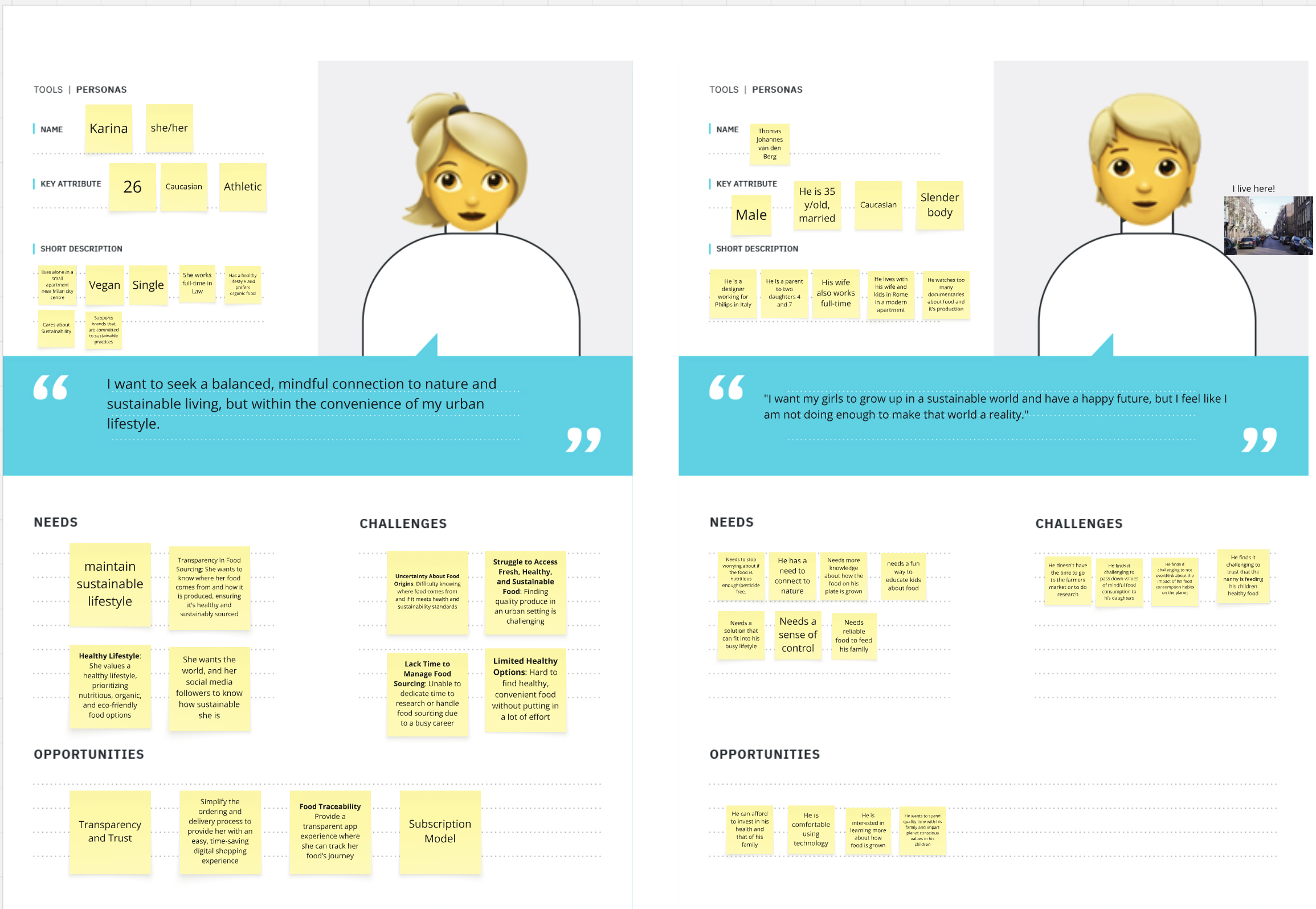
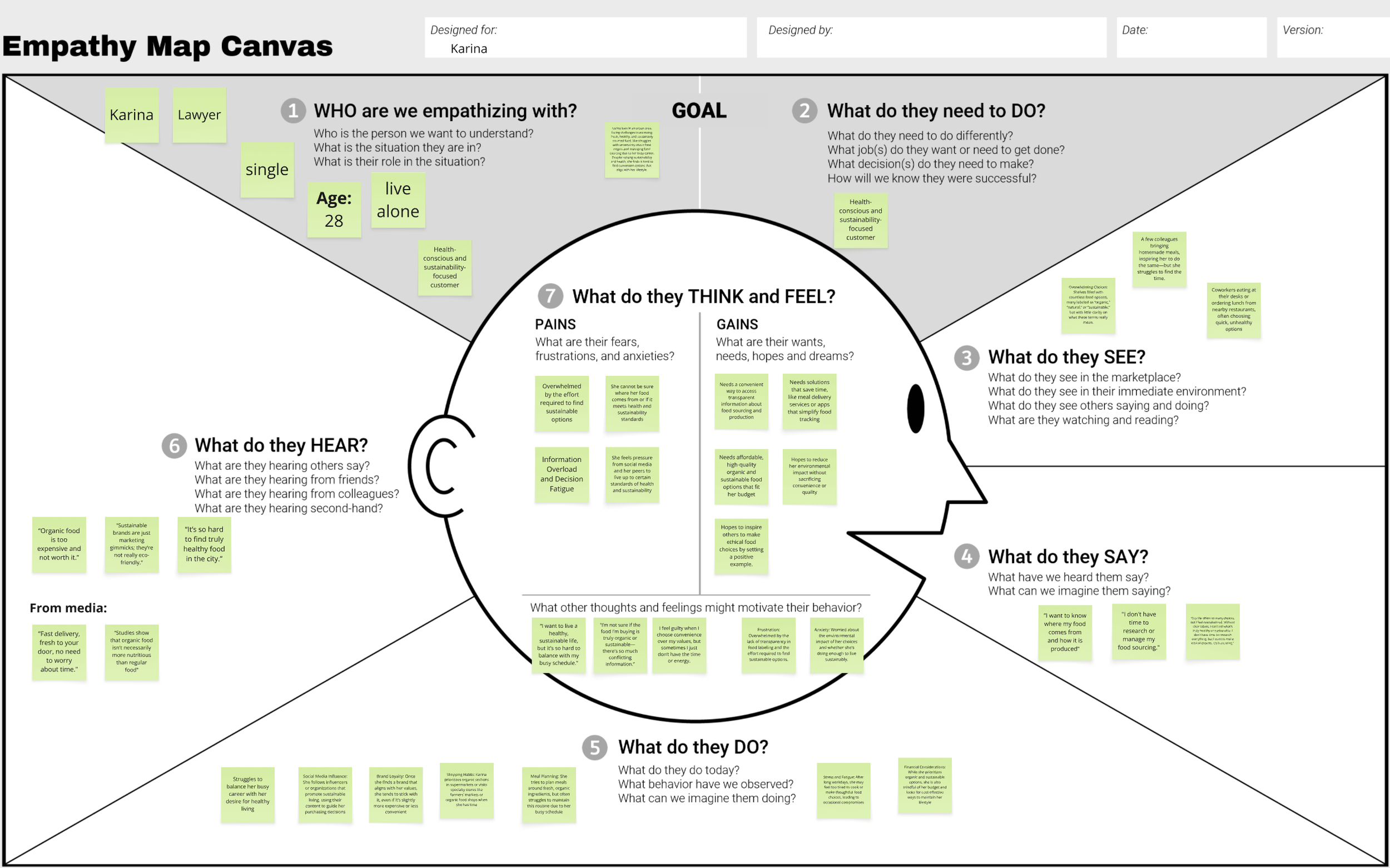
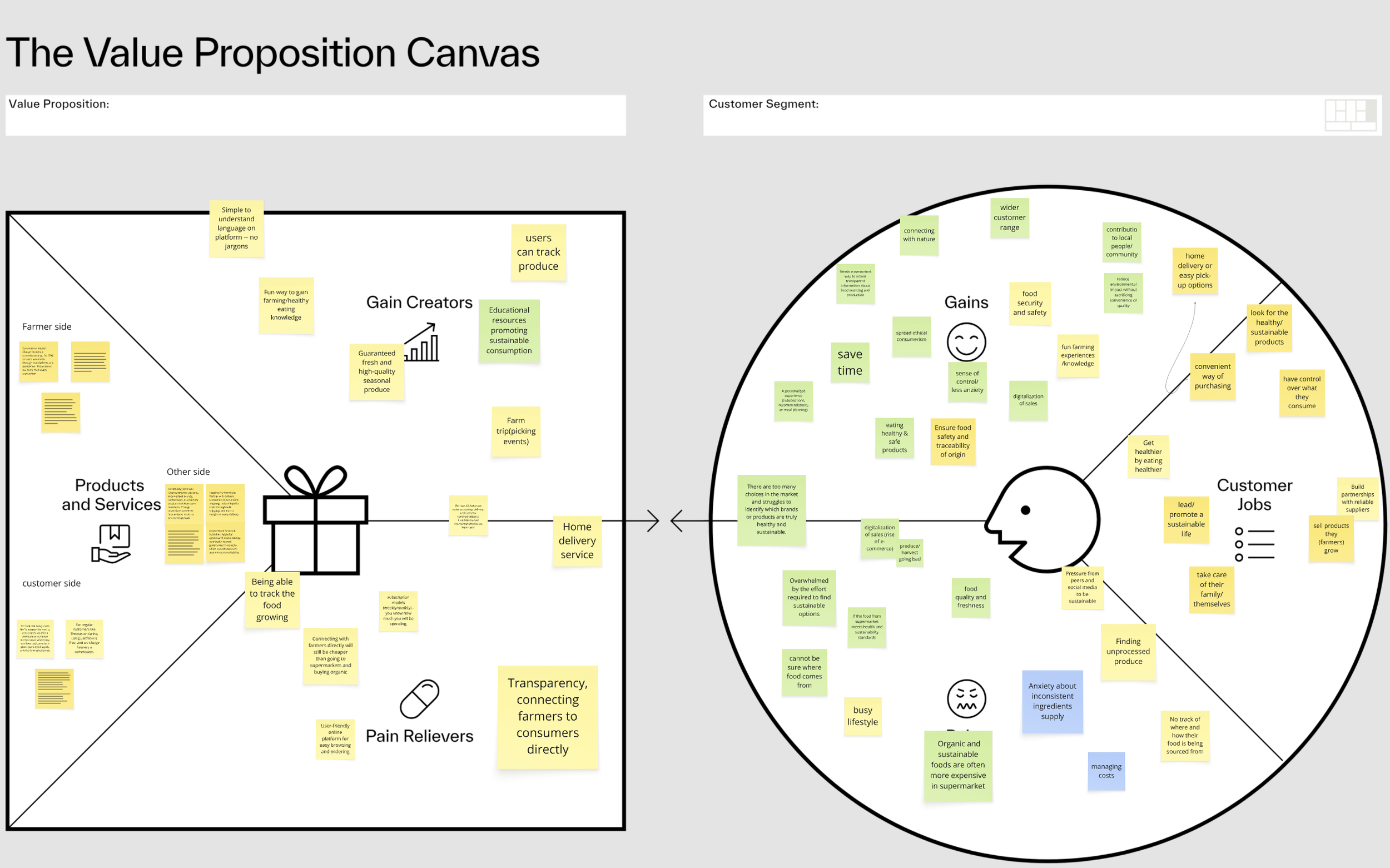
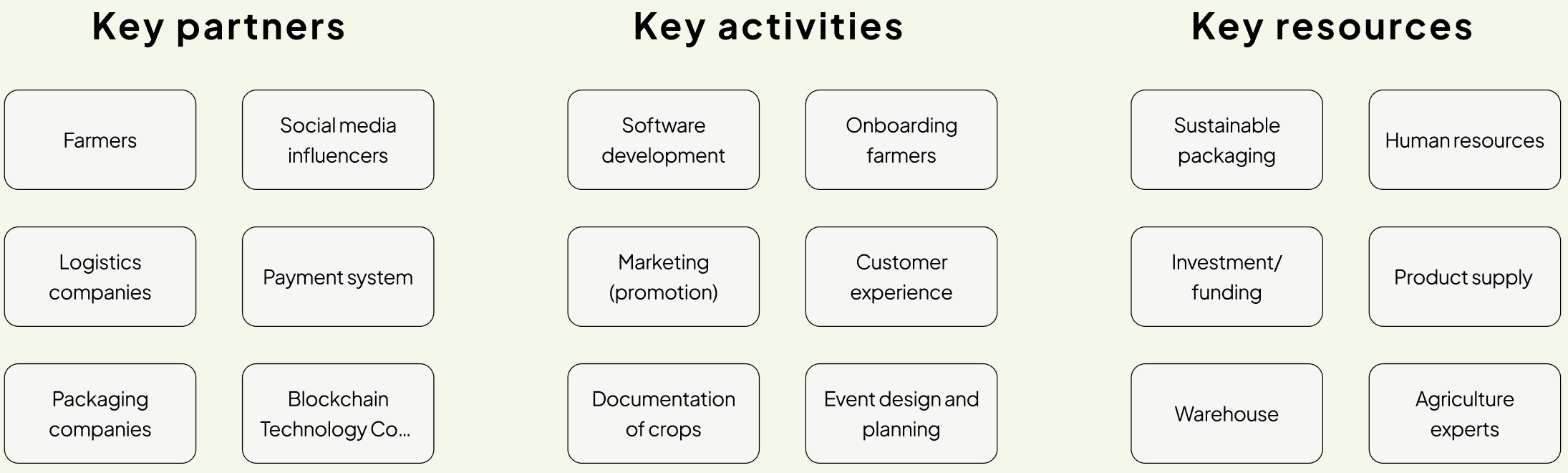
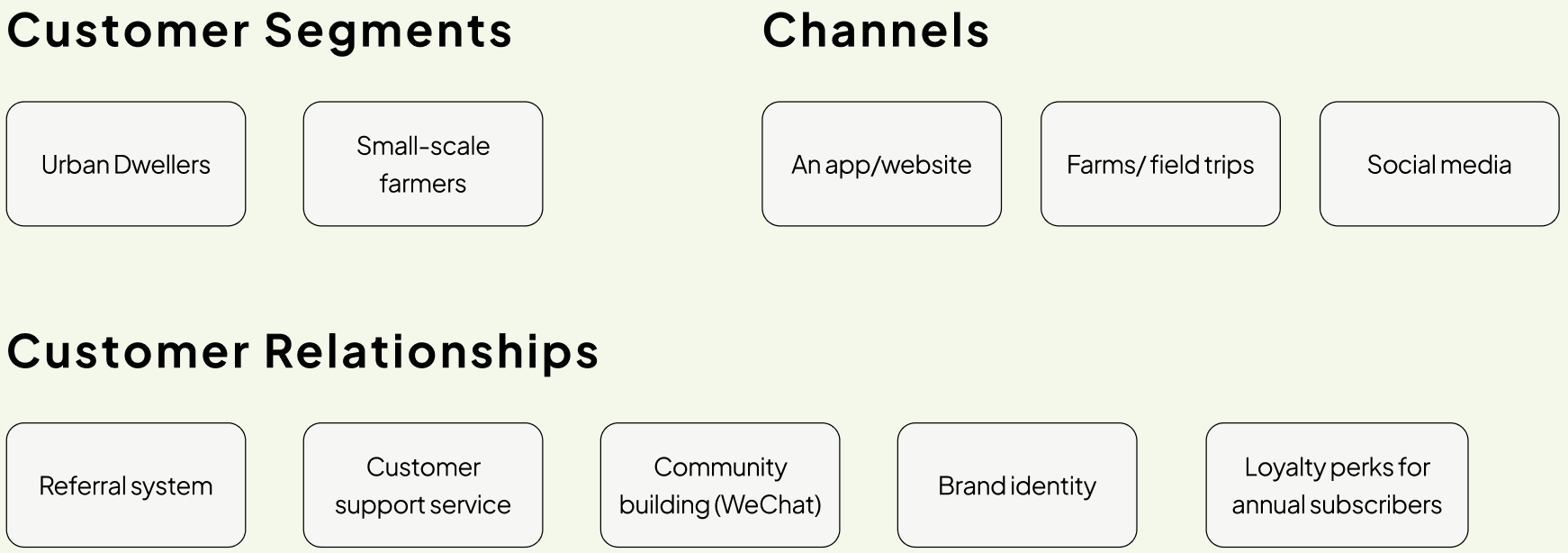
Initial Personas, EMC, VPC
Design Journey
1. Discover
Secondary Research
Initial problem
Growing urban issue: the disconnect between city living and the desire for sustainable, organic food production.
Initial Goal
Our team set out to develop a digital platform that connects urban professionals, almond families, small-scale businesses, and farmers, facilitating a seamless farm-to-table experience. We integrated a gamified experience to engage families and educate consumers about food origins and sustainable farming.
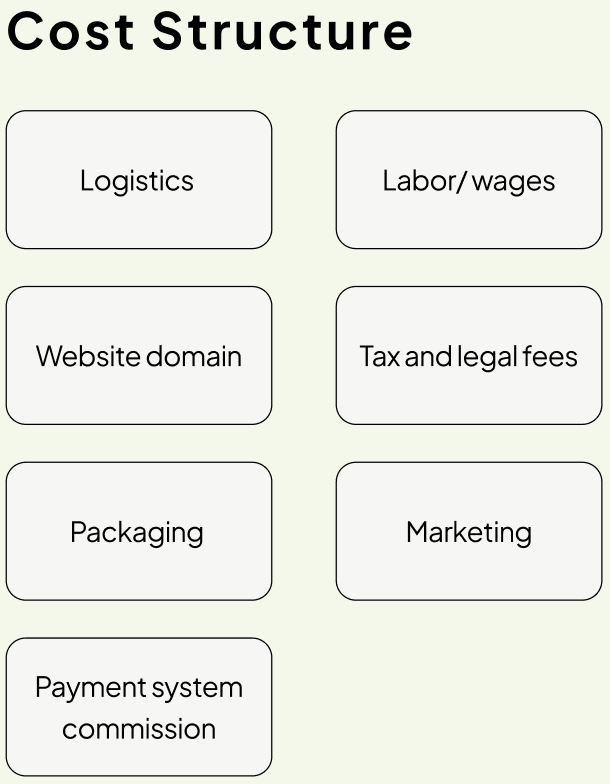
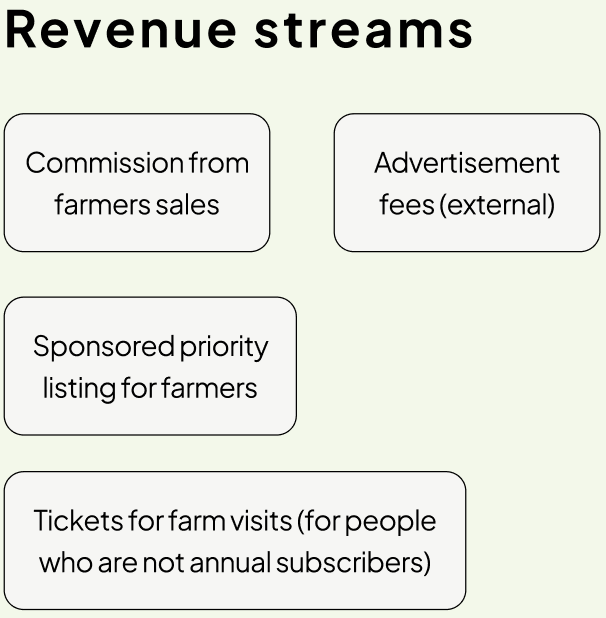
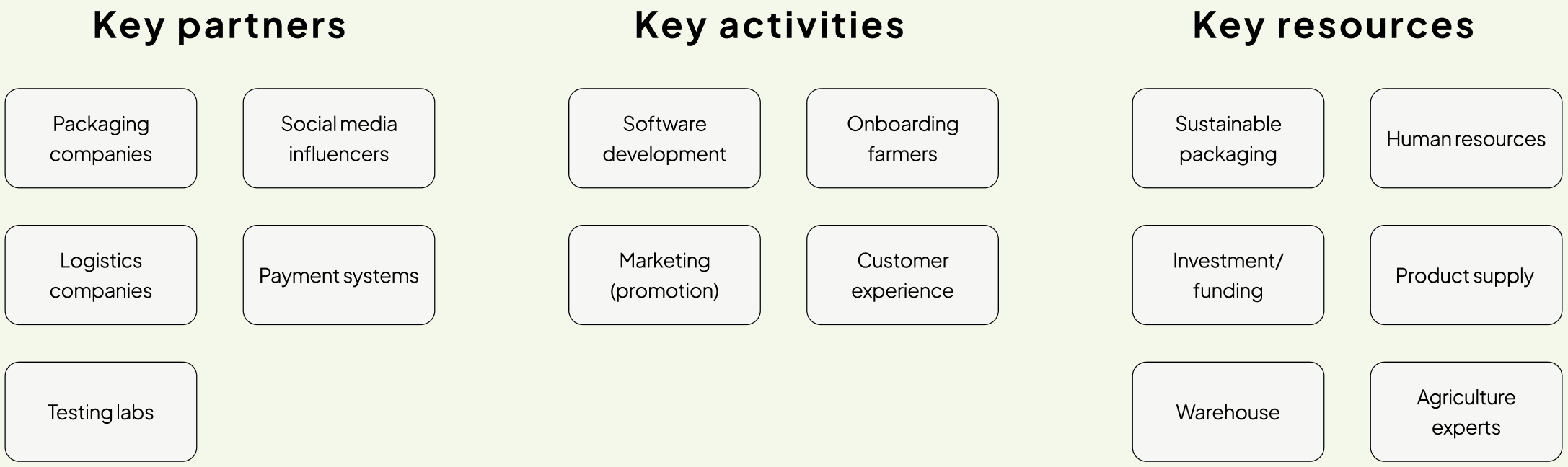
Our business model was centred on earning a commission from each transaction while exploring additional revenue streams such as partnerships, premium subscriptions, and sustainable delivery solutions.
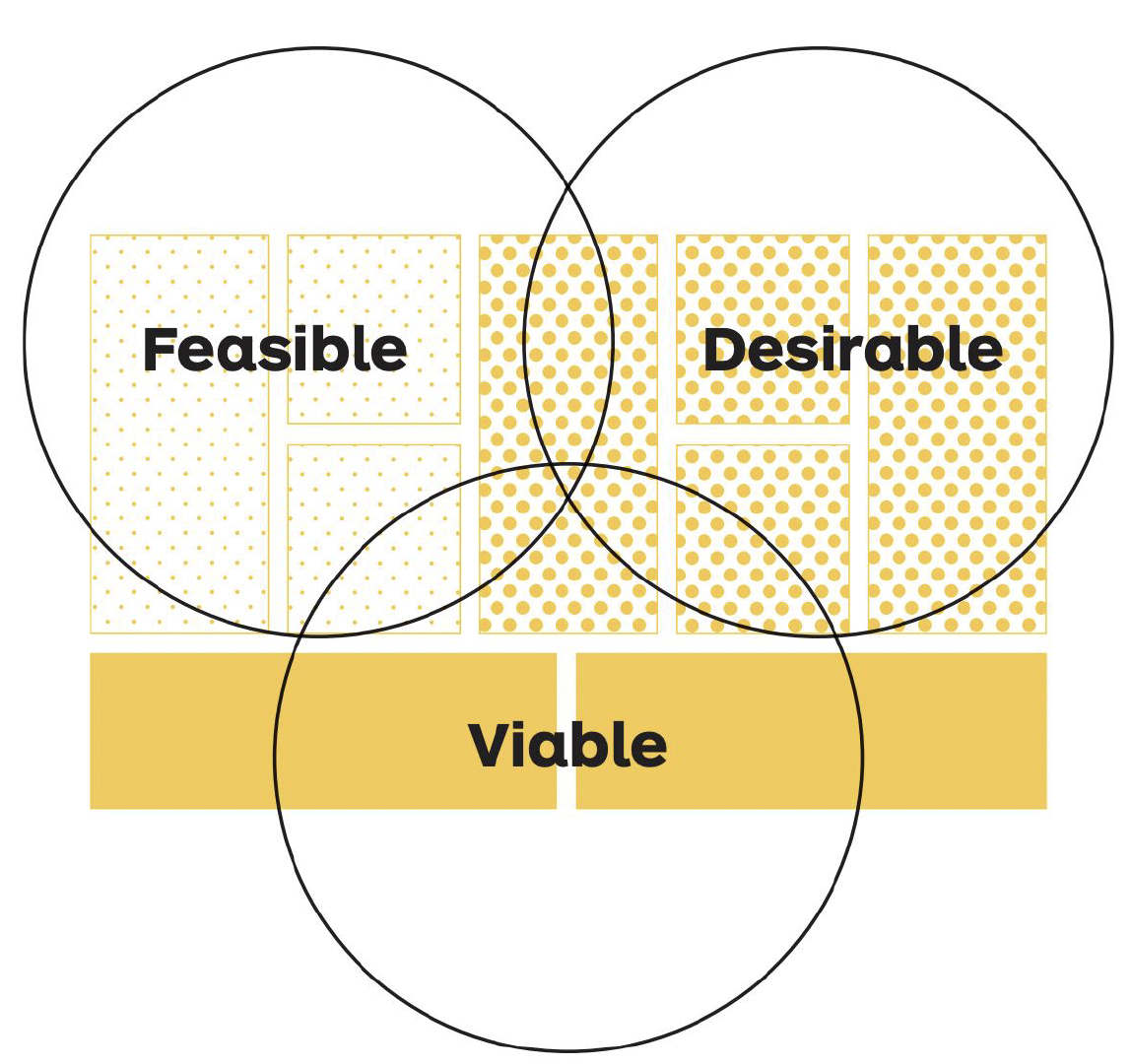
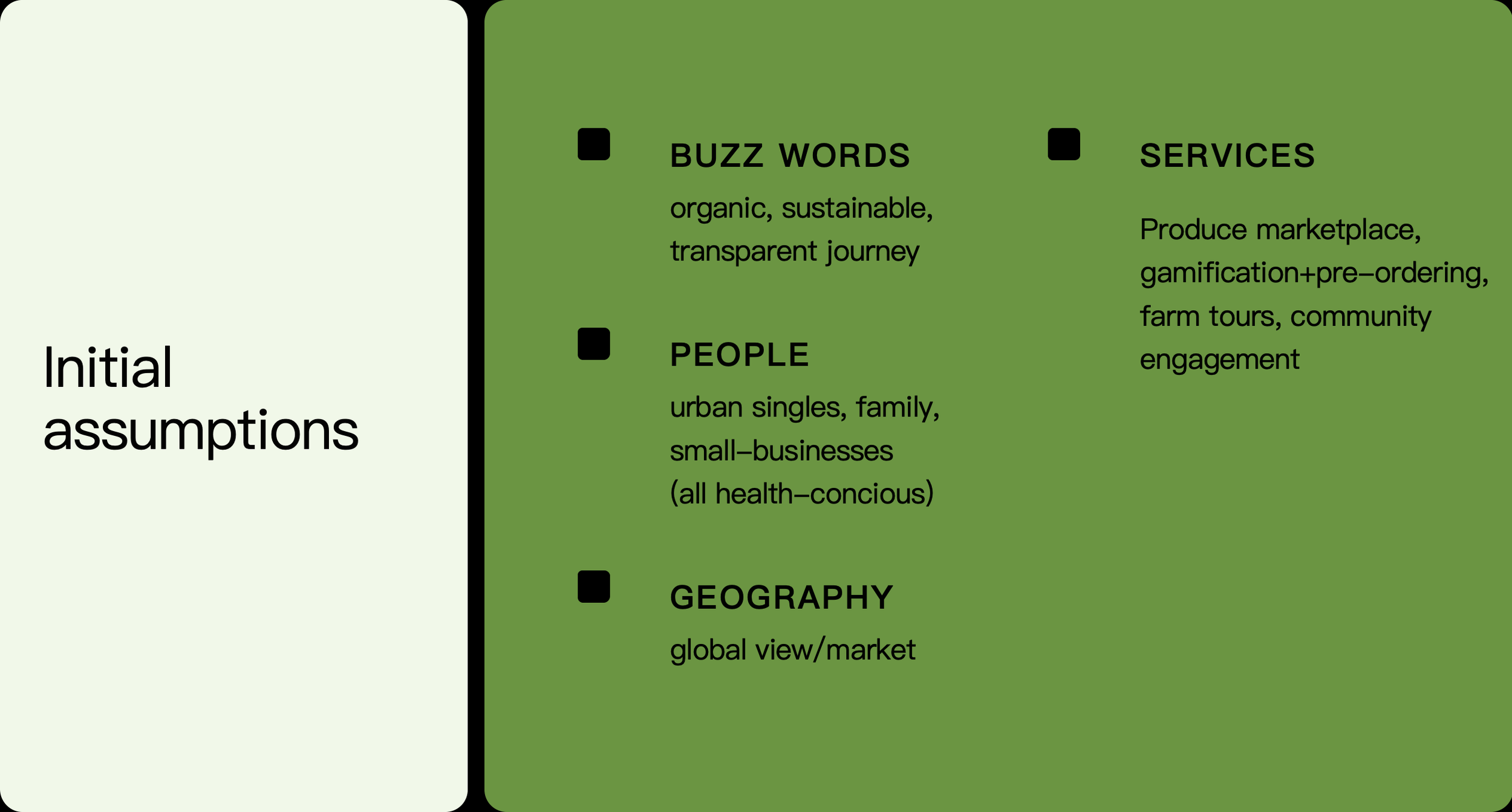
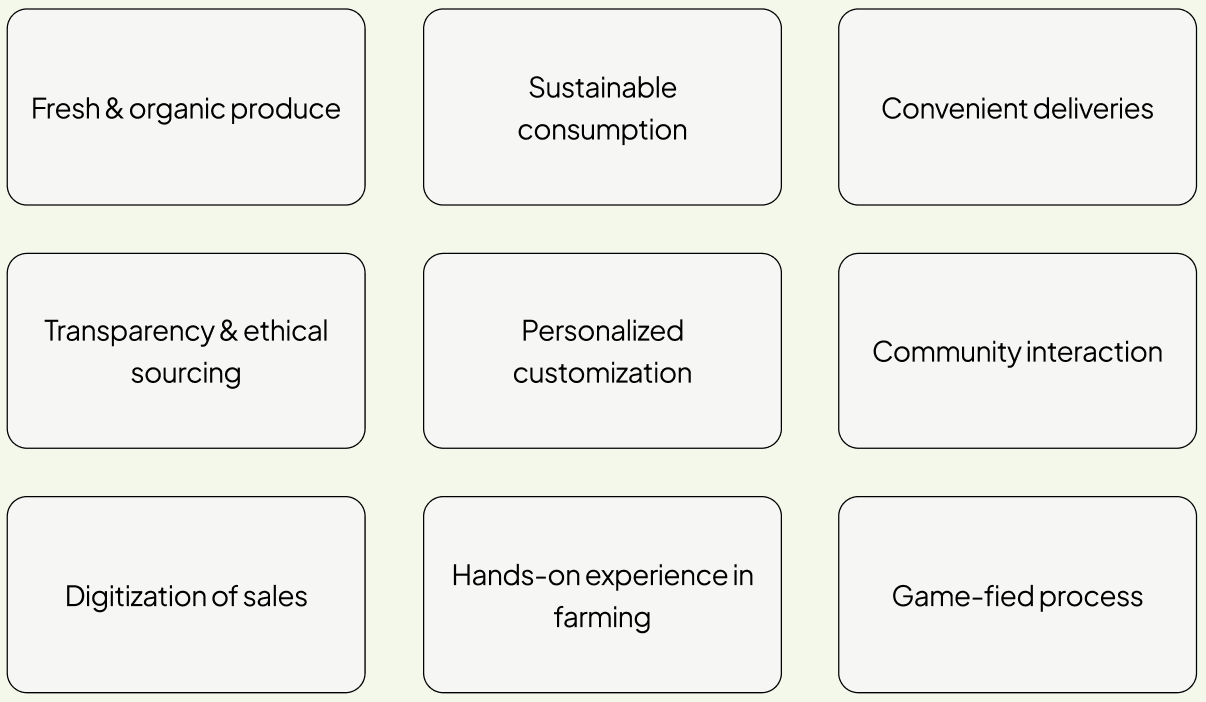
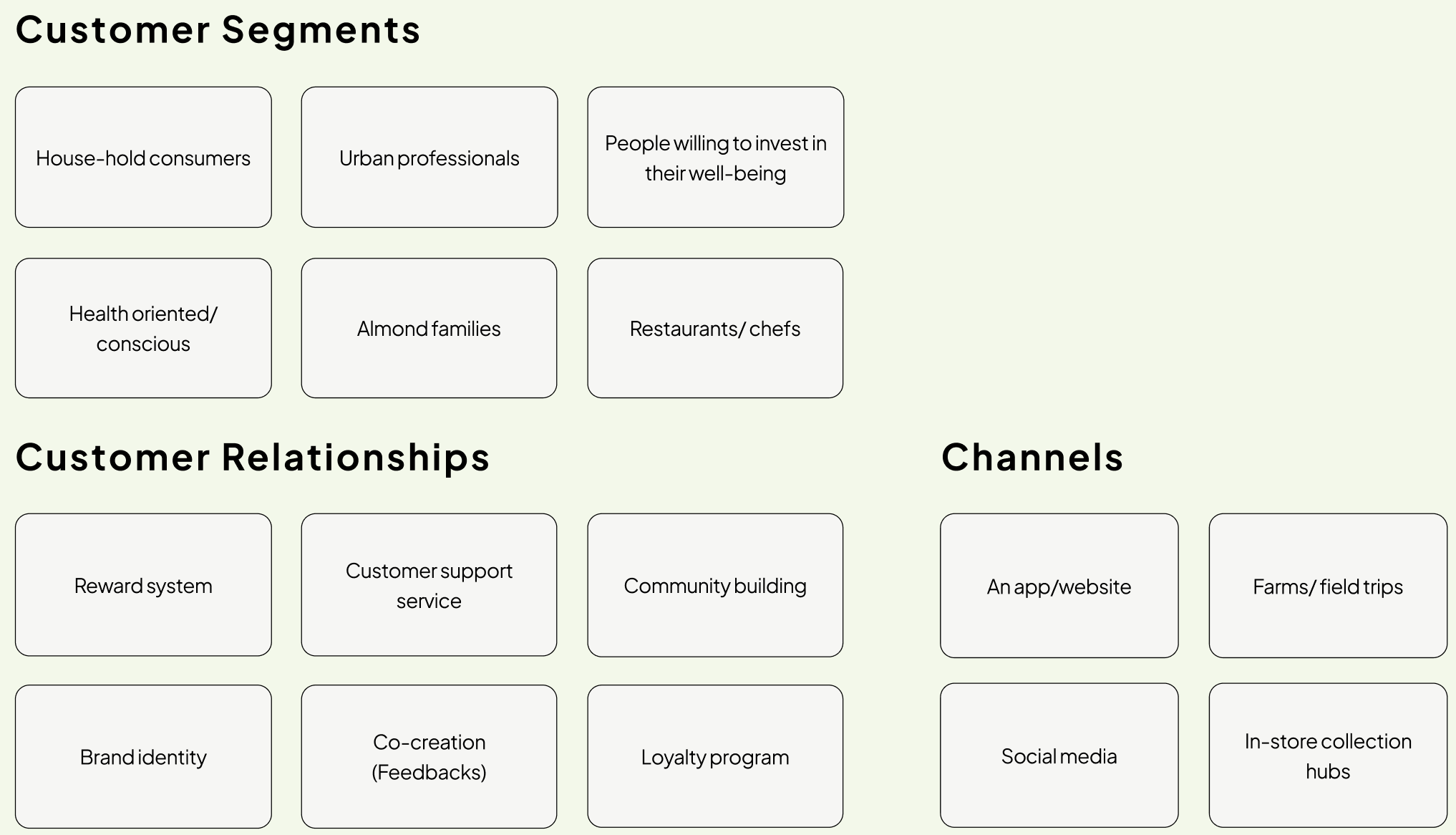
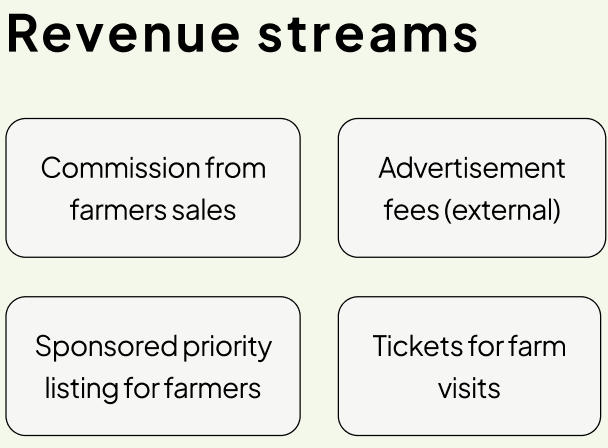
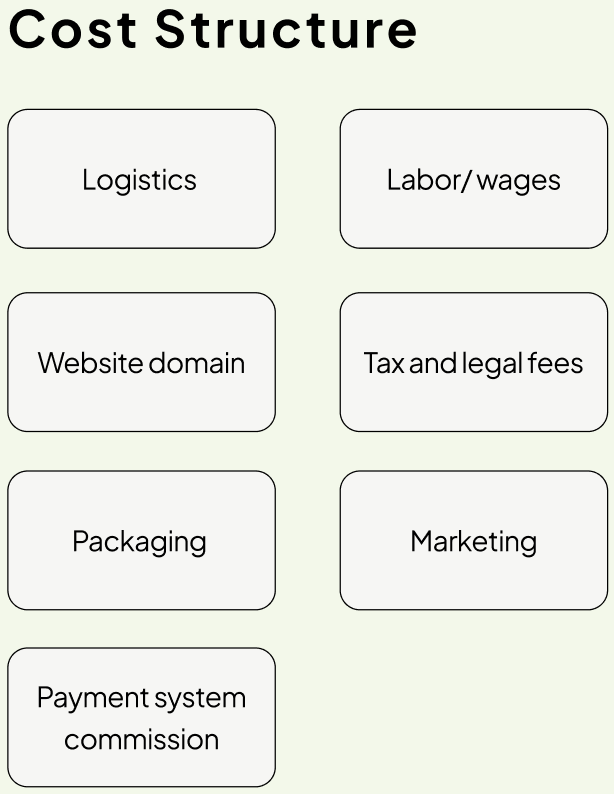
←
Customer Interview Insights
We conducted 25+ interviews with urban professionals, health-conscious families, small business owners, and farmers all around the world.
People are very used to convenience.
Families struggle to plan meals for even a week.
Health-conscious families are also conscious about the use of screens.
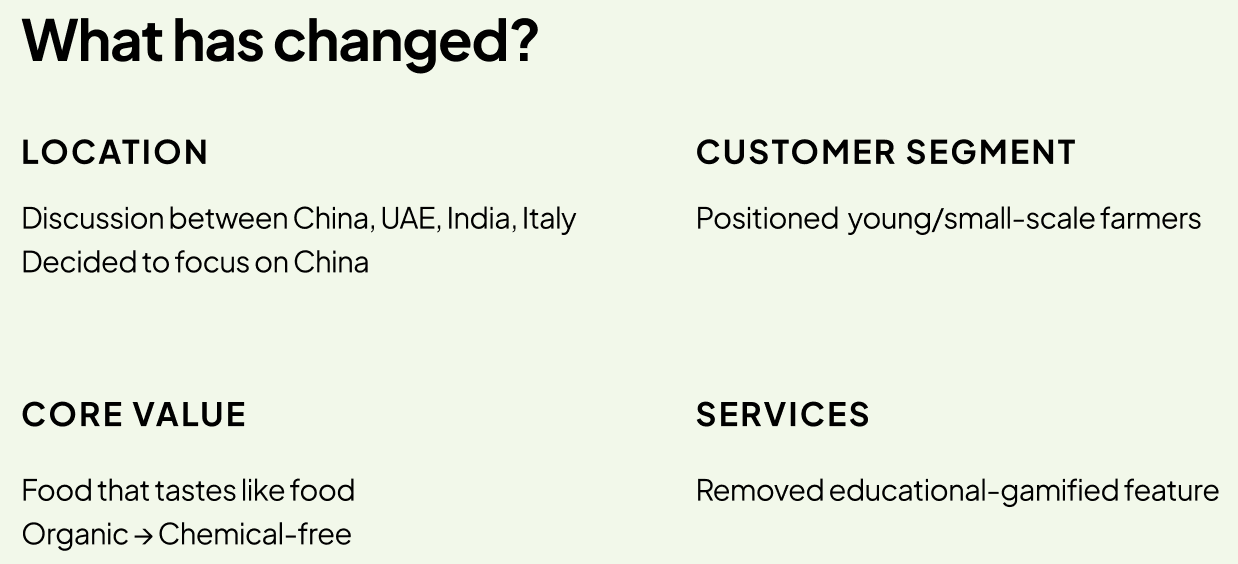
People from different regions and cultures have different preferences and needs, so our business should focus on one specific region.
✨ My contribution: Led the development of two research plans, conducted 8 of the 25+ interviews across consumer and farmer segments, and translated insights into actionable design implications.
Insights
Food safety is a big concern in China
Chinese people prefer food journey over organic certification
76.8% of participants are open to additional expenses related to their health
Pains of small-scale farmers
Annual subscription and group buying is very popular in China
The optimal frequency of deliveries for customers
New hypothesis:
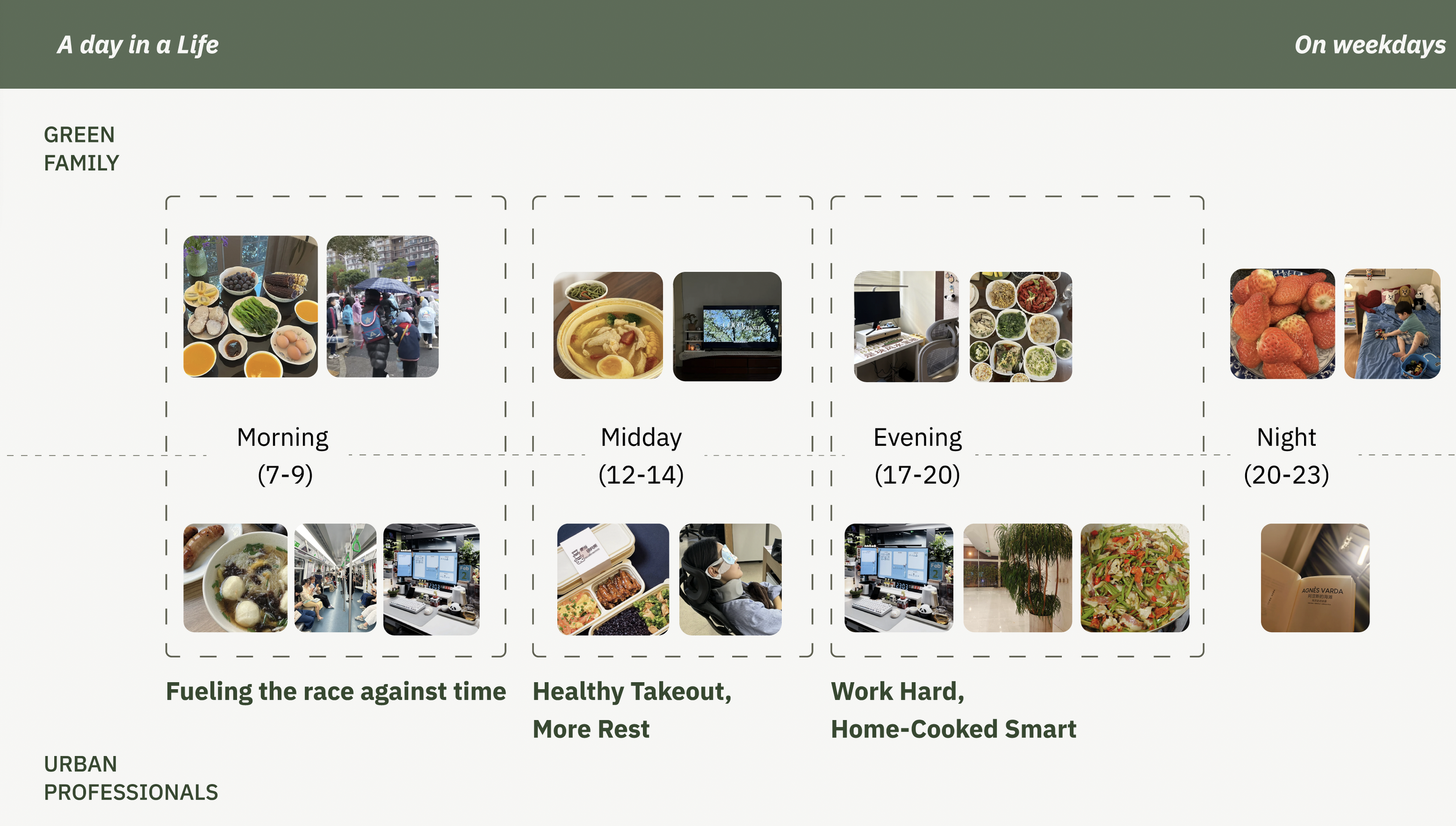
‘Chinese families and urban professionals have similar lifestyles’
‘All Chinese organic farms have organic certificates.’
‘People do not trust organic certifications issued by local governments’
Industry Sector:
Food Industry/ Online shopping
Team:
5 team members
Tools:
Figma, Notion, Miro
Research methods used:
Desk research, Interview, Survey/Social Media Poll, Market Search, Search Trend Analysis, A day in a life, Landing page, User Journey Mapping
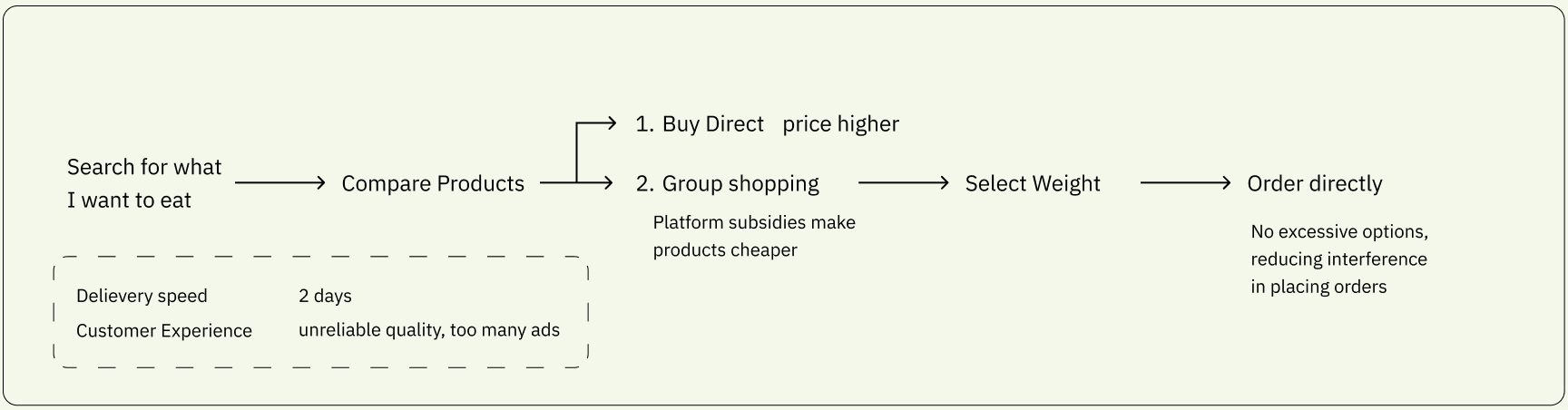
User experience flow (Fruit purchase on Pinduoduo)
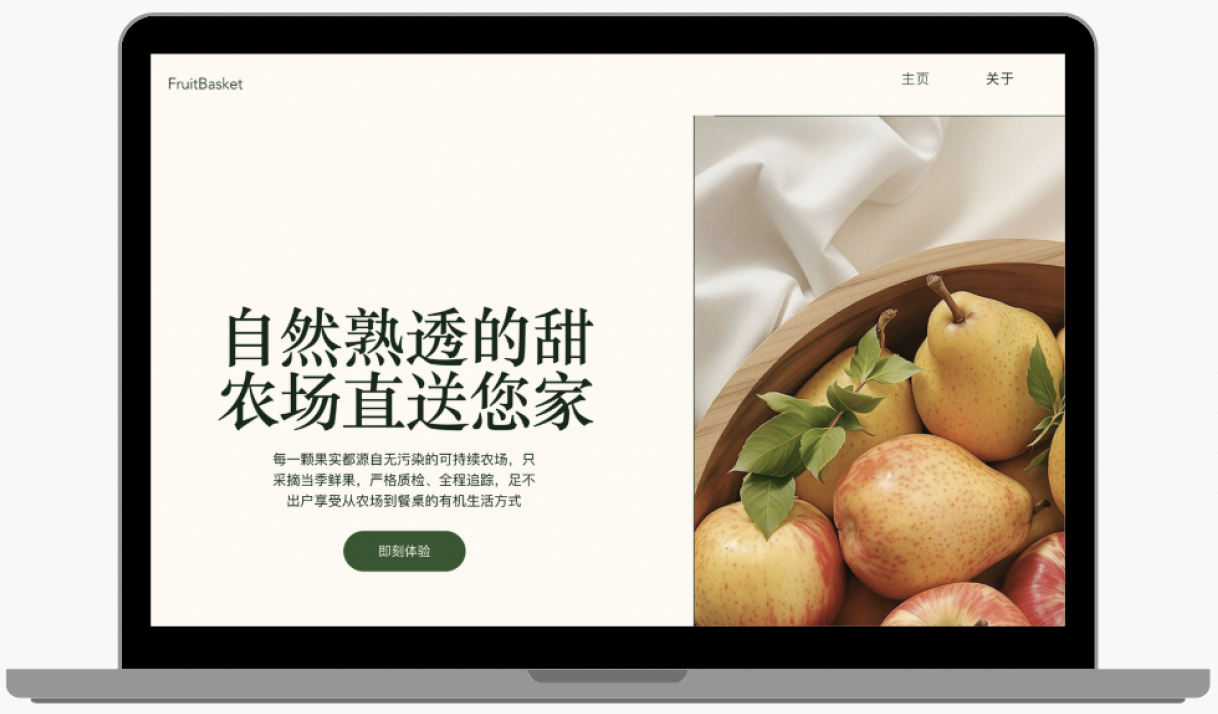
Landing Page
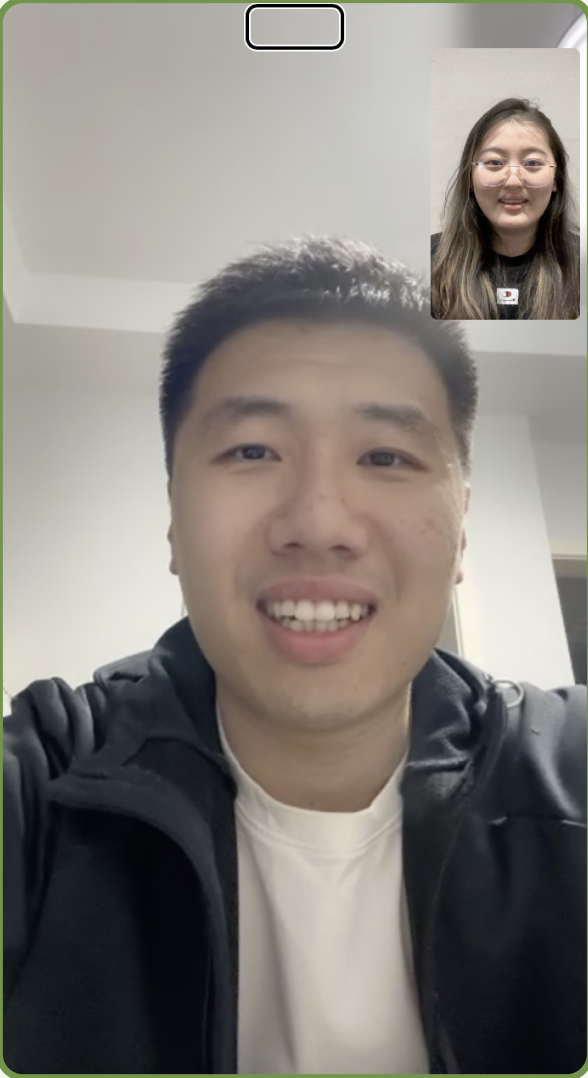
Interview
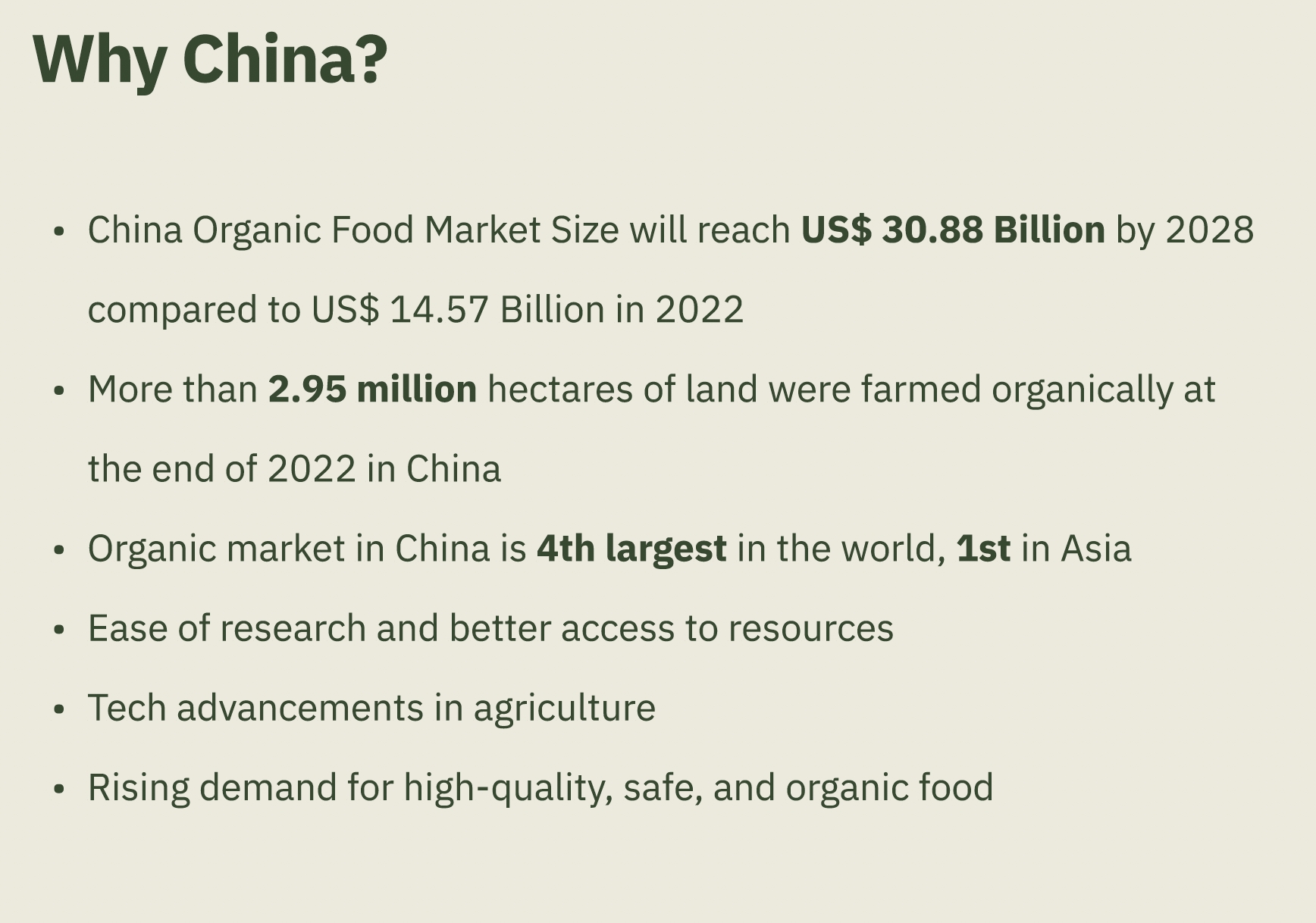
Timeframe:
4 months
My Role:
Service Designer (Research, Strategy, Business Model Iteration, Prototyping and Testing)
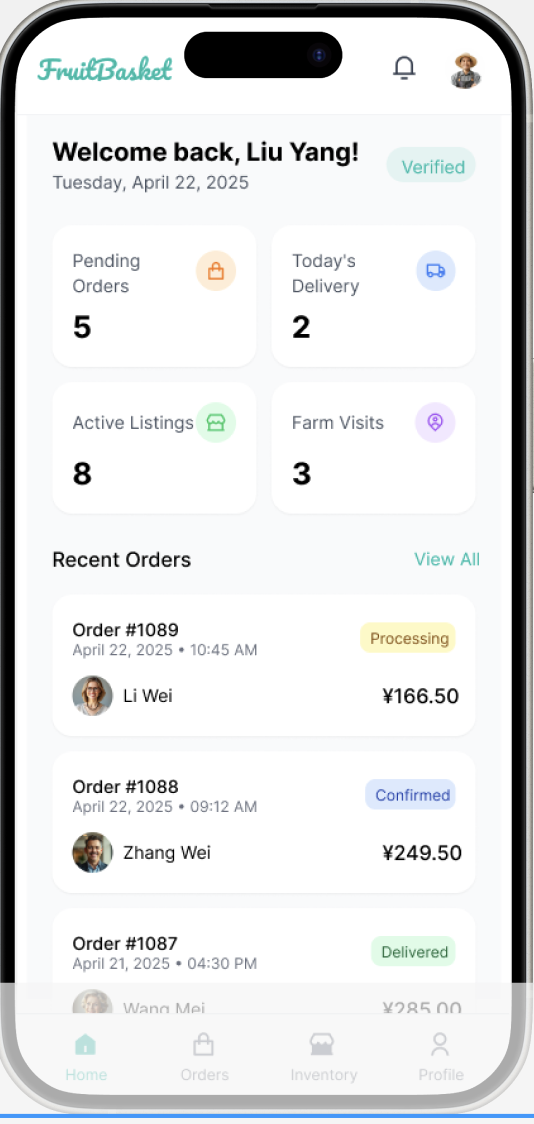
Farmer-side Prototype
Website


Define
From our insights, we identified two core user groups:
Urban dwellers: Seeking food they can trust, convenient ordering, and a sense of connection to origin.
Farmers: Seeking fair sales, predictable income, and tools to reduce operational headaches.
THE PROBLEM
In China, more and more urban dwellers are seeking fresh, chemical-free produce they can trust. But access is fragmented, transparency is poor, and many still rely on impersonal supermarkets or unreliable platforms.
Meanwhile, small-scale farmers struggle with limited sales channels, high delivery costs, and low bargaining power.
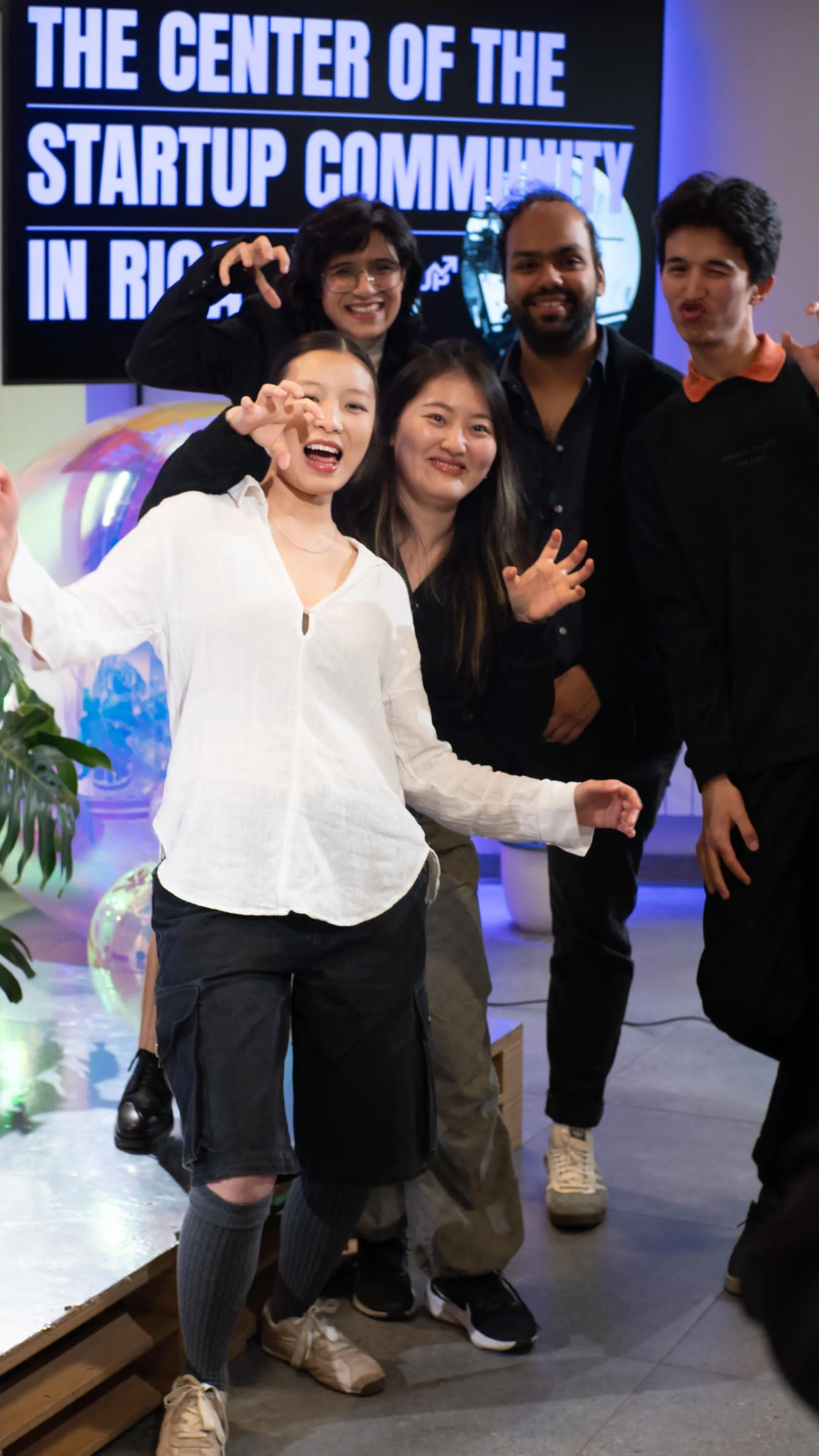
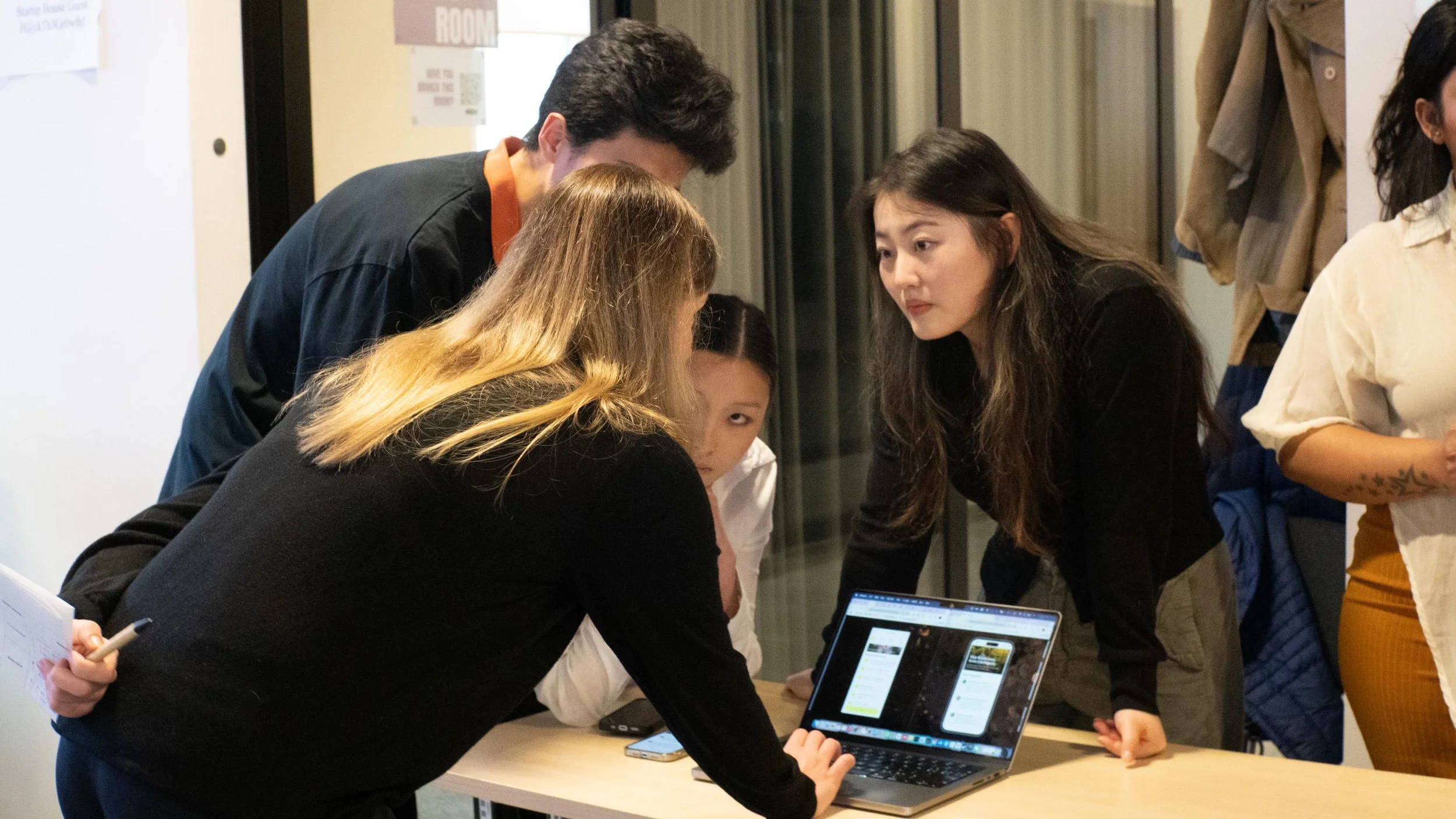
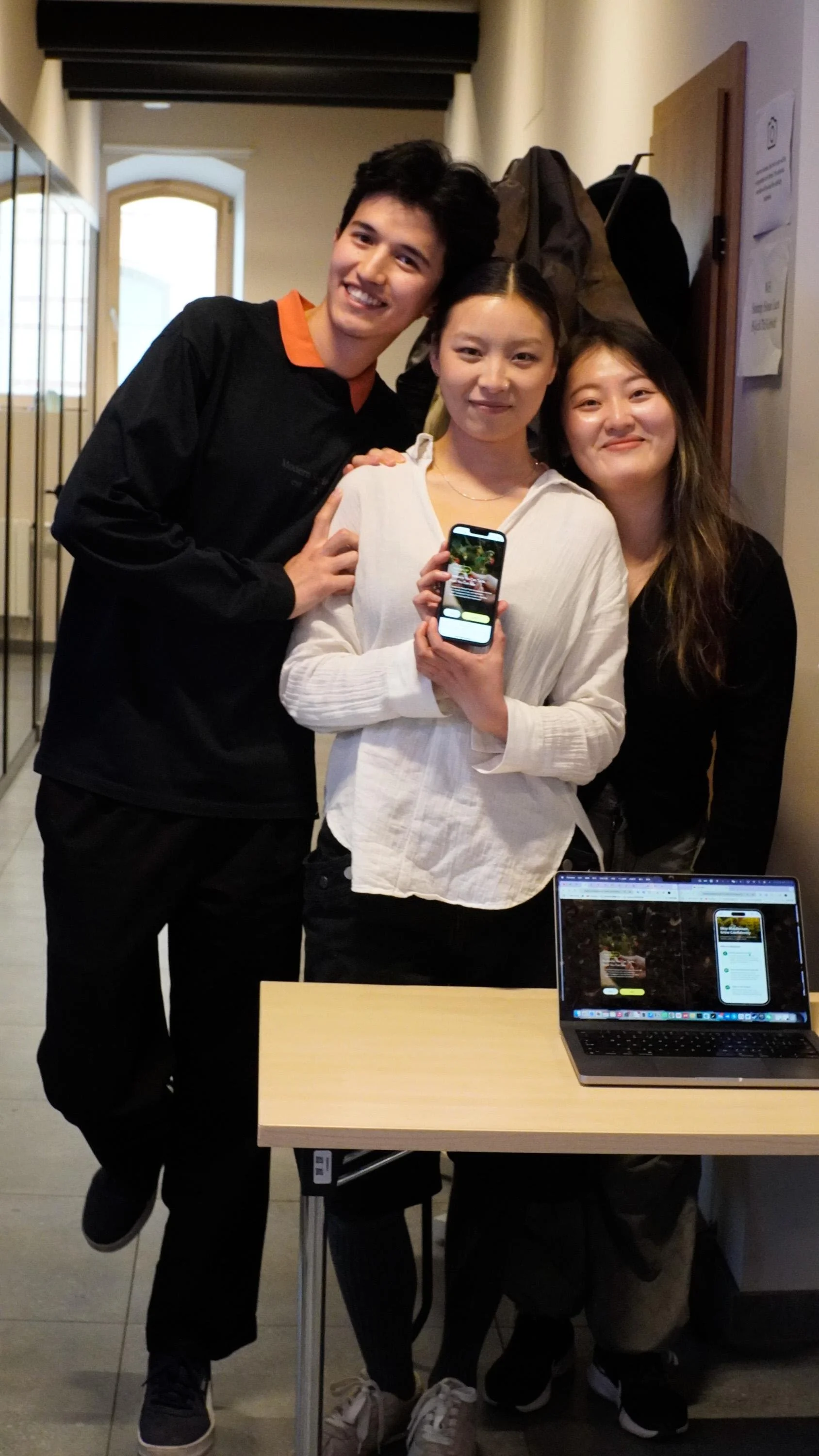
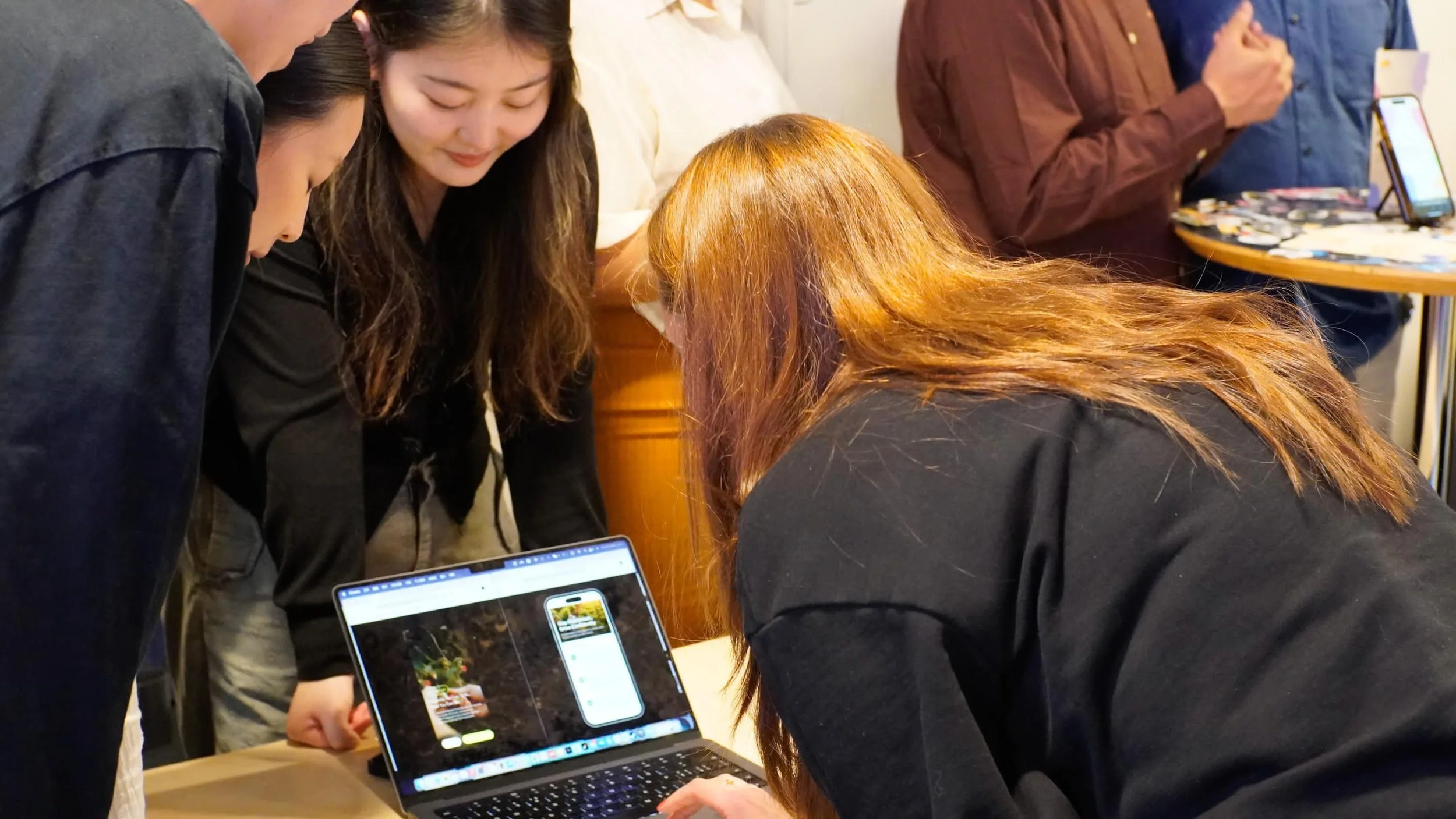
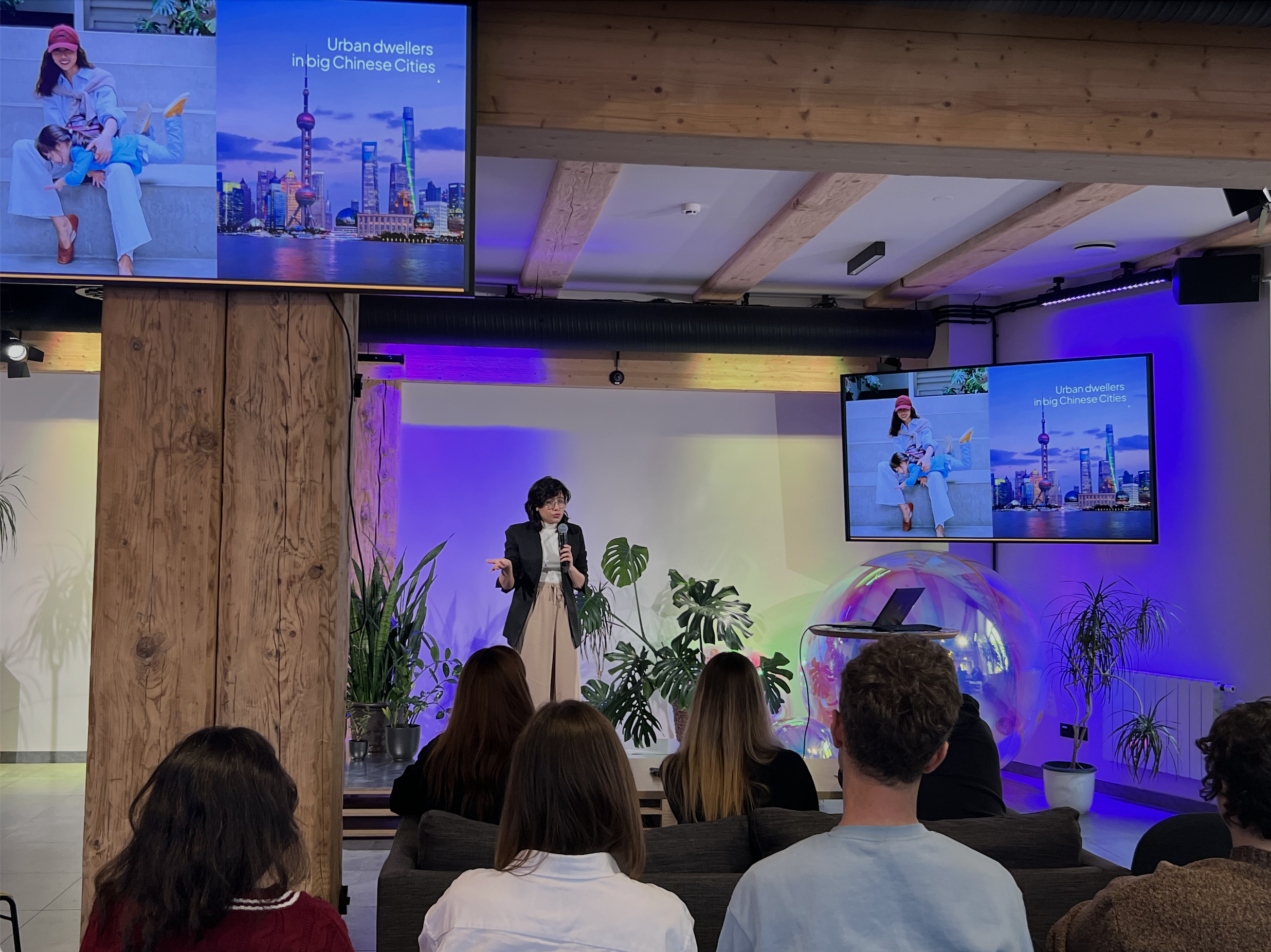
Pitch at the Startup House Riga
Develop and Deliver
Our solution is a dual-sided platform called Fruit Basket:
Urban dwellers can pre-order or buy in real-time from screened farms producing clean, seasonal fruit.
Farmers get access to demand data, streamlined logistics, and fair revenue through group or individual orders.
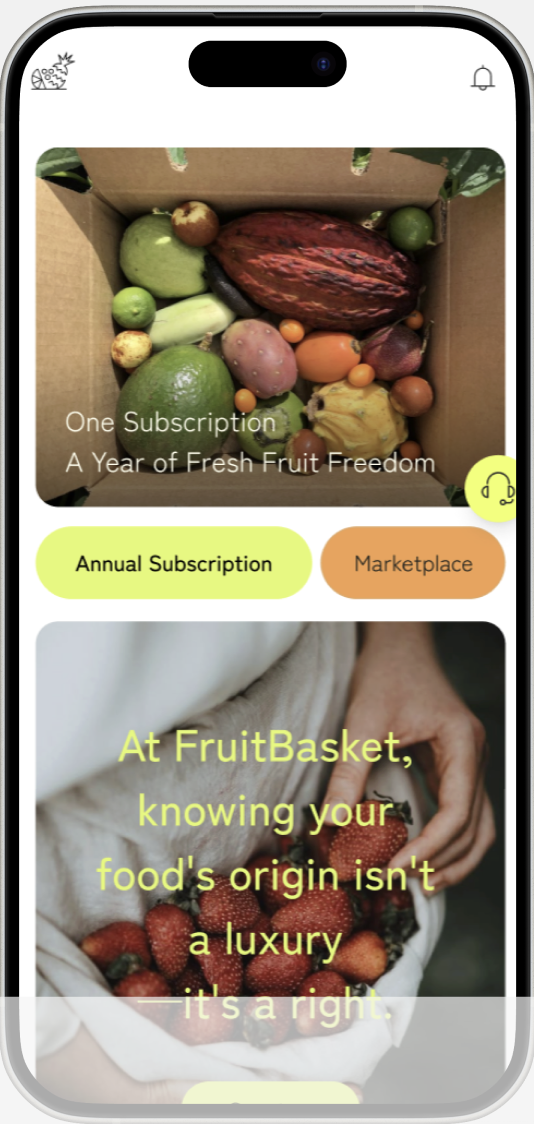
We introduced 3 purchasing models and built prototypes for both customers and farmers:
Annual subscription (monthly fruit box)
Group orders (cheaper, shared delivery)
Individual orders (real-time)
✨ My contribution: Co-designed the landing page and farmer-side prototype, and shaped both the consumer and farmer service concepts.

User-side Prototype
Reflections & Learnings
Sometimes, the most innovative feature isn’t the most valuable.We had to kill ideas we loved, like the game function to serve real user needs.
We learned the importance of resourcefulness, especially finding interviewees, redesigning models quickly, and building MVPs from scratch.
Always talk to users!!! Talking to farmers and urban buyers firsthand changed our assumptions and made every subsequent decision more grounded.